
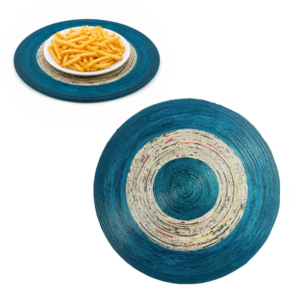
 Paper Wings Green Living Dining Mats (12IN) Blue


In a world of one-click ordering and “fast fashion,” it’s easy to assume that craftsmanship has been sidelined by convenience. We’ve all seen the “artisanal-style” labels in big-box stores, mass-produced items designed to look rustic but lacking any real emotions.
But a shift is happening. More than ever, conscious consumers are asking: Are handmade things still trendy? The answer is a resounding yes, but not as a passing fad. It is a movement toward intentional living. At Paper Wings, we believe the true value of a product lies in the gap between being “produced” and being “crafted.”
The Difference Between “Made” and “Produced”
To understand the meaning of handcrafted products, one must look at the energy behind them.
- Handcrafted goods are birthed from a singular connection between the artisan and the material.
- Produced items are born from assembly lines, focused on “mechanical speed,” high margins, and identical output. There is no “maker,” only a machine.
When you choose artisan-made upcycled products or hand-carved wood, you aren’t just buying an object; you are preserving a human skill that has survived centuries of industrialization.
Defining Authenticity: The Power of Ethical Craft
Finding authentic handcrafted sellers in a crowded digital marketplace can be a challenge. For a social enterprise like Paper Wings, authenticity isn’t a marketing buzzword; it is a commitment to the Action Center for Transformation (ACT) and the principles of fair trade.
Explore Our Eco-friendly Paper Products
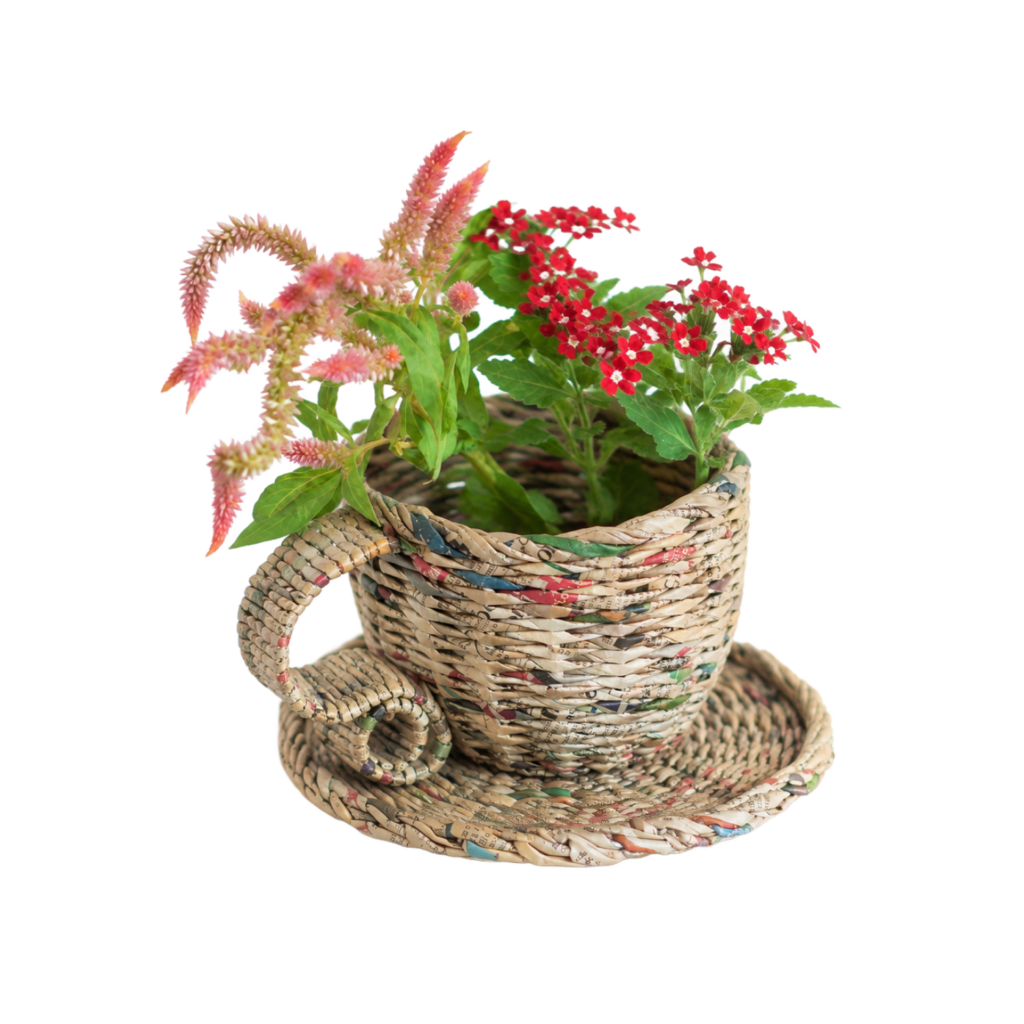

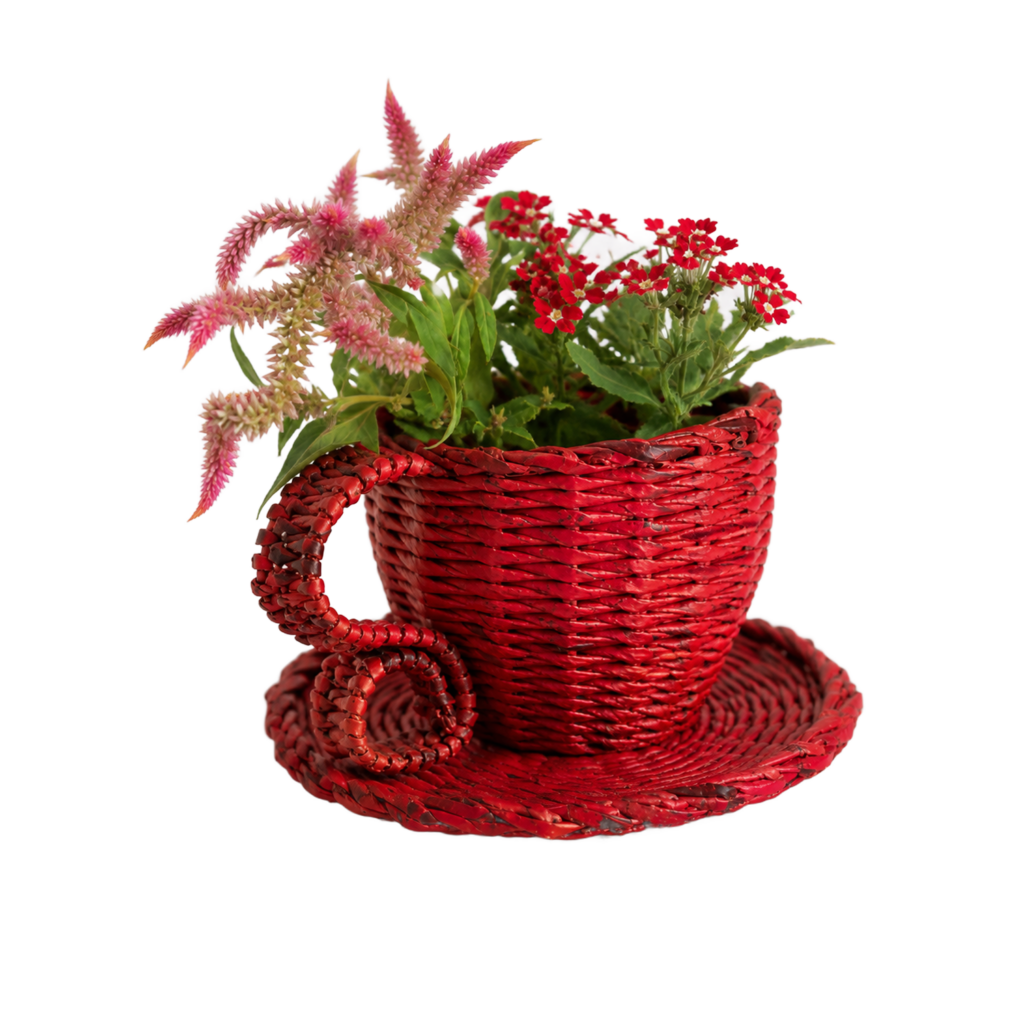


When you purchase from us, you are supporting a transparent supply chain. Our certification ensures that every woman artisan is paid a fair, living wage and works in an empowering environment. This “process” matters because it restores dignity to rural livelihoods. By choosing ethically made products, you are investing in a social system that values people as much as the final product.
Material Spotlight: The Soul of Waste Paper
The sensory experience of a handcrafted item is incomparable. This is where the “handmade-feel” of mass production fails to compete with the real thing.
The Tactile History of Upcycled Paper
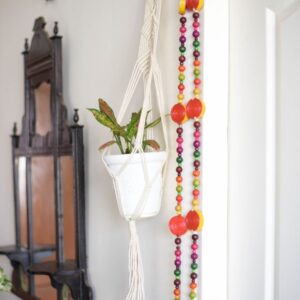
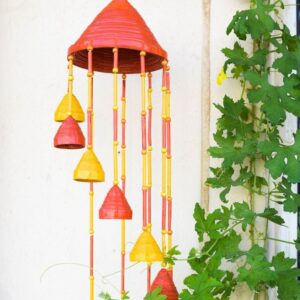
Our upcycled paper products offer a tactile richness you won’t find in standard stationery. Because we transform waste paper into art, the textures are varied and organic. You can feel the history of the fibers, a softness and durability that comes from a labor-intensive pulping and drying process.



The Environmental Impact: Small Hands, Big Change
The true beauty of the Paper Wings process lies in what it prevents. Every year, millions of tons of paper waste end up in Indian landfills, contributing to harmful emissions.
We quantify our success by the waste we divert. To date, Paper Wings has successfully diverted thousands of kilograms of paper waste, turning “trash” into high-value eco-friendly gifts and lifestyle goods. This circular approach ensures that our carbon footprint remains remarkably low, as we rely on human energy rather than industrial power.
Why Your Choice Matters
When you search for unique handmade gifts or sustainable office accessories, you are participating in a global shift. You are choosing:
- Waste Reduction: Diverting materials from landfills.
- Women’s Empowerment: Providing stable income for rural artisans.
- Authentic Artistry: Owning something that no one else in the world has.
At Paper Wings, we don’t just make products; we facilitate a transformation. We turn waste into wonder and provide a platform where the “small hands” of our artisans create “big change” for the planet.