

In today’s environmentally conscious world, the terms “recycling” and “upcycling” are frequently used, often interchangeably. However, these two practices represent distinct approaches to waste reduction and resource management. Understanding their differences can help you make more informed decisions about how to handle waste and contribute to environmental sustainability.
What is Upcycling: Understanding The Creative Transformation
Upcycling, also known as creative reuse, is the process of transforming waste materials or unwanted products into new materials or products of better quality or higher environmental value. Unlike recycling, upcycling doesn’t break down materials into their basic components. Instead, it creatively repurposes existing items while maintaining or enhancing their original form and function.
The concept of upcycling has gained significant traction in recent years. Over half (54%) have recycled or upcycled clothing in the last year, demonstrating the growing popularity of this sustainable practice. Upcycling requires creativity, imagination, and often manual skill to transform discarded items into functional or decorative objects.
Real-World Examples of Upcycling
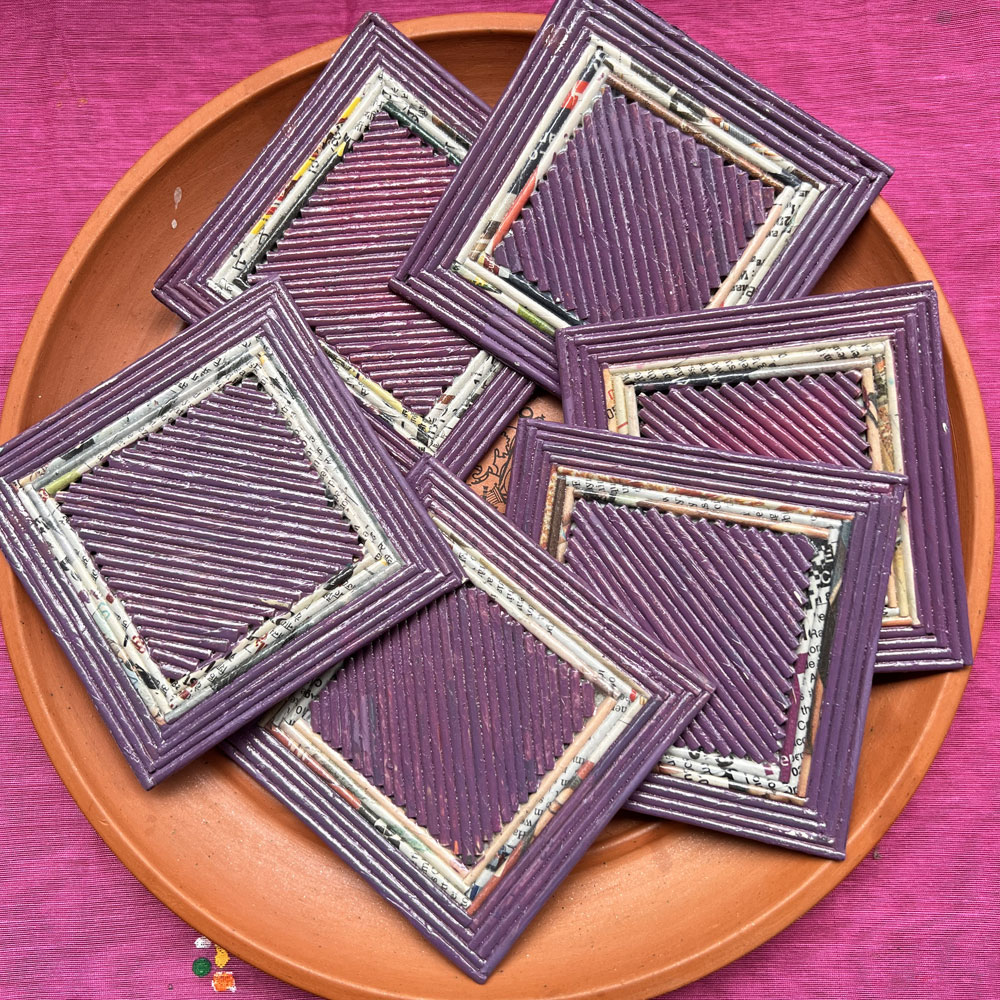
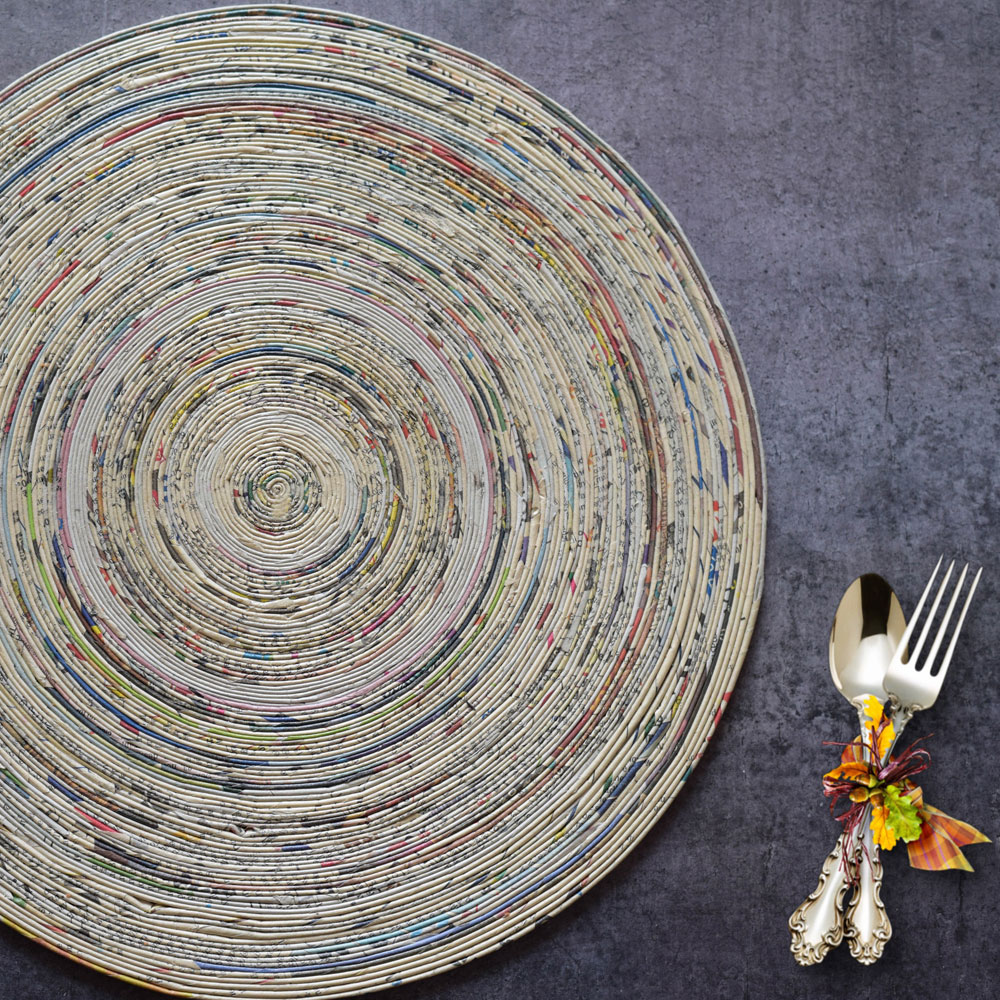
- Paper Wings by ACT (Haryana): Over 1,000 craftswomen from ten villages, who are landless, low-income, and belong to the so-called lower castes, handcraft environment-friendly, sustainable, upcycled paper products for everyday use.
- Trashy Bags Africa (Ghana): Turns plastic sachet waste into fashionable bags and accessories. Over 30 million sachets repurposed—collection of some 200,000 sachets per month.
- Plastic Weaving in Dharavi (Mumbai): Women artisans transform discarded plastic into bags and mats, boosting their incomes by 35% between 2017 and 2020.
- Alchemy Goods (USA): Crafts bags and accessories from used bicycle inner tubes and banners. Since 2006, over 1 million pounds of materials have been diverted from landfills.
These demonstrate both environmental benefits and social impacts.
Explore Our Eco-friendly Paper Products




What is Recycling: Understanding The Traditional Approach
Recycling is the process of converting waste materials into new products or raw materials for reuse. This systematic approach involves collecting, processing, and transforming used items into materials that can be used to manufacture new products. The recycling process typically breaks down materials to their basic components before reconstructing them into something new.
According to the Environmental Protection Agency, recycling aluminum saves about 95 percent, recycling paper saves about 60 percent, and recycling glass saves about 30 percent of the energy that would be needed to produce these materials from scratch. This energy conservation translates into significant environmental benefits. For instance, recycling just 10 plastic bottles saves enough energy to power a laptop for more than 25 hours.
Unfortunately, recycling rates remain suboptimal. Only 21% of recyclable materials are captured, and all materials are under-recycled. 76% of recyclables are lost at the household level, according to The Recycling Partnership’s 2024 State of Recycling Report. This highlights the critical need for better recycling infrastructure and public education.
Key Differences Between Recycling and Upcycling
The fundamental differences between recycling and upcycling lie in their processes, outcomes, and resource requirements.
Recycling typically involves industrial processes that break down materials chemically or mechanically, then reform them into new products. This process often requires a significant amount of energy input and specialized facilities. The end product may be of lower quality than the original material, a phenomenon known as “downcycling.”
Upcycling, in contrast, preserves the original material’s integrity while transforming its purpose or appearance. This process typically requires less energy and can often be completed at home with basic tools and a bit of creativity. The resulting product normally maintains or exceeds the original item’s quality and value.
Another crucial difference lies in scale and accessibility. Recycling operates primarily through municipal and industrial systems, requiring collection networks and processing facilities. Upcycling can be performed by individuals at home, making it a more accessible and immediate strategy for reducing waste.
Environmental Impact and Benefits
Both recycling and upcycling offer substantial environmental benefits, though through different mechanisms. The environmental impact of recycling is significant and well-documented. In 2018, the recycling, composting, combustion with energy recovery, and landfilling of MSW saved over 193 million metric tons of carbon dioxide equivalent. This is comparable to the emissions that could be reduced from taking almost 42 million cars off the road in a year.
Recyclables save over 700 million tonnes of CO2 emissions every year — a number that’s set to increase to 1 billion tonnes by 2030. Additionally, 40% less energy is needed to make recycled glass compared to producing new glass, demonstrating the energy efficiency of recycling processes.
Upcycling’s environmental benefits, while harder to quantify on a global scale, are equally important. By extending the lifespan of products and reducing the need for new manufacturing, upcycling directly reduces resource consumption and waste generation. A report on the circular economy estimates that fully embracing such models across key industries—plastics, steel, cement, food—could reduce nearly 40% of global emissions by mid-century.
Economic Considerations
The economic aspects of recycling and upcycling differ significantly. Recycling operates as a large-scale industry with established markets for recycled materials. The financial viability of recycling depends on market demand, commodity prices, and the associated costs of processing.
Some materials, such as aluminum and certain plastics, maintain strong recycling markets, while others may be less economically viable.
Upcycling often operates on a smaller scale, ranging from hobby activities to small business ventures. The economic value of upcycling lies not just in material savings but also in the creative value added to the original item. Many upcycled products command premium prices due to their uniqueness and craftsmanship.
Practical Applications in Daily Life
Both practices offer numerous opportunities for everyday application. Common recycling activities include properly sorting materials for curbside collection, participating in electronic waste recycling programs, and choosing products made from recycled content. Understanding your local recycling guidelines is crucial, as contamination can render entire batches of recyclables unusable.
Upcycling opportunities are limited only by creativity and skill. Common examples include transforming paper waste into beautiful daily-use products, old furniture into new pieces, converting glass jars into storage containers or planters, and repurposing clothing into new garments or household items. These activities not only reduce waste but also provide personal satisfaction and unique, customized products.
Frequently Asked Questions
-
Can I upcycle products that are not recyclable?
Yes, upcycling is particularly valuable for items that cannot be easily recycled through traditional channels. Many composite materials, certain plastics, and damaged items that are unsuitable for recycling can be given new life through creative upcycling. This makes upcycling an excellent complement to recycling, addressing gaps in the traditional waste management system.
-
Does upcycling cost more than recycling?
From a personal perspective, upcycling often costs less than recycling, as it typically requires only basic tools, creativity, and time, rather than specialized collection and processing systems. However, the time investment can be significant. From a societal perspective, both approaches have different cost structures, with recycling requiring infrastructure investment and upcycling requiring education and skill development.
-
Is upcycling more energy-efficient than recycling?
Generally, yes. Upcycling typically requires less energy because it doesn’t involve breaking down and reconstituting materials. The energy requirements are usually limited to the manual work and any tools used in the transformation process. Recycling, although still more energy-efficient than producing new materials, requires additional energy for collection, transportation, and industrial processing.
-
What daily-use products can we upcycle?
Numerous everyday items can be upcycled. Clothing can be altered or repurposed into different garments, cleaning rags, or crafts. Glass containers can be transformed into storage solutions, planters, or decorative items. Old furniture can be refinished, repurposed, or combined to create new pieces. Electronic components can be salvaged for art projects or other applications. Cardboard boxes become organizers or children’s toys. The key is to look at each item’s potential beyond its original purpose.
-
What is the difference between upcycling and recycling?
The primary difference lies in the transformation process. Recycling breaks down materials into their basic components to create new products, often requiring industrial processing and energy input. Upcycling transforms existing items without breaking them down, typically preserving the original material while changing its function or appearance. Recycling typically occurs on an industrial scale, whereas upcycling can be done individually at home.
Conclusion
Both recycling and upcycling play crucial roles in creating a more sustainable future. While recycling provides systematic, large-scale solutions for waste management, upcycling offers creative, individual-level approaches to waste reduction. Understanding their differences allows us to make informed decisions about which approach to use for different materials and situations.
The most effective strategy combines both practices: recycle what can be efficiently processed through existing systems and upcycle items that offer creative potential or lack good recycling options. By embracing both approaches, we can significantly reduce our environmental footprint while fostering creativity and resourcefulness in our daily lives.
As global waste generation continues to increase and environmental concerns intensify, both recycling and upcycling will become increasingly important tools in our sustainability toolkit. The choice between them should be based on the specific material, available resources, and desired outcome, always to maximize environmental benefits and resource efficiency.