

Ganesh Chaturthi is here! The streets are going to be full of colors, music, and, of course, the smell of fresh modaks (and no, stealing one before the puja is still a crime in every Indian household). Lord Ganesha, the remover of obstacles, is welcomed into our homes with so much love.
But here’s a small question: when we send him off into the water, are we really giving him the farewell he deserves? Or are we sending him off with plastic, plaster, and paint that end up choking the very rivers and lakes he blesses us with?
The Idol Dilemma
Let’s talk about the idol first. Traditionally, Ganesha was made of clay—soft, natural, dissolving easily in water. He came from the earth and returned to the earth. Now, many idols are made of POP (Plaster of Paris), decorated with shiny, chemical paints. They look gorgeous on Instagram, yes, but when immersed, they don’t dissolve. They sit there like an unwanted guest who refuses to leave, polluting the water and harming fish, birds, and even us.
So what’s the alternative? Clay idols are back in trend, and thank God for that! Some even come with seeds inside—imagine, after visarjan, instead of polluting water, you’re growing a little tree. Now that’s a blessing straight from Bappa himself.
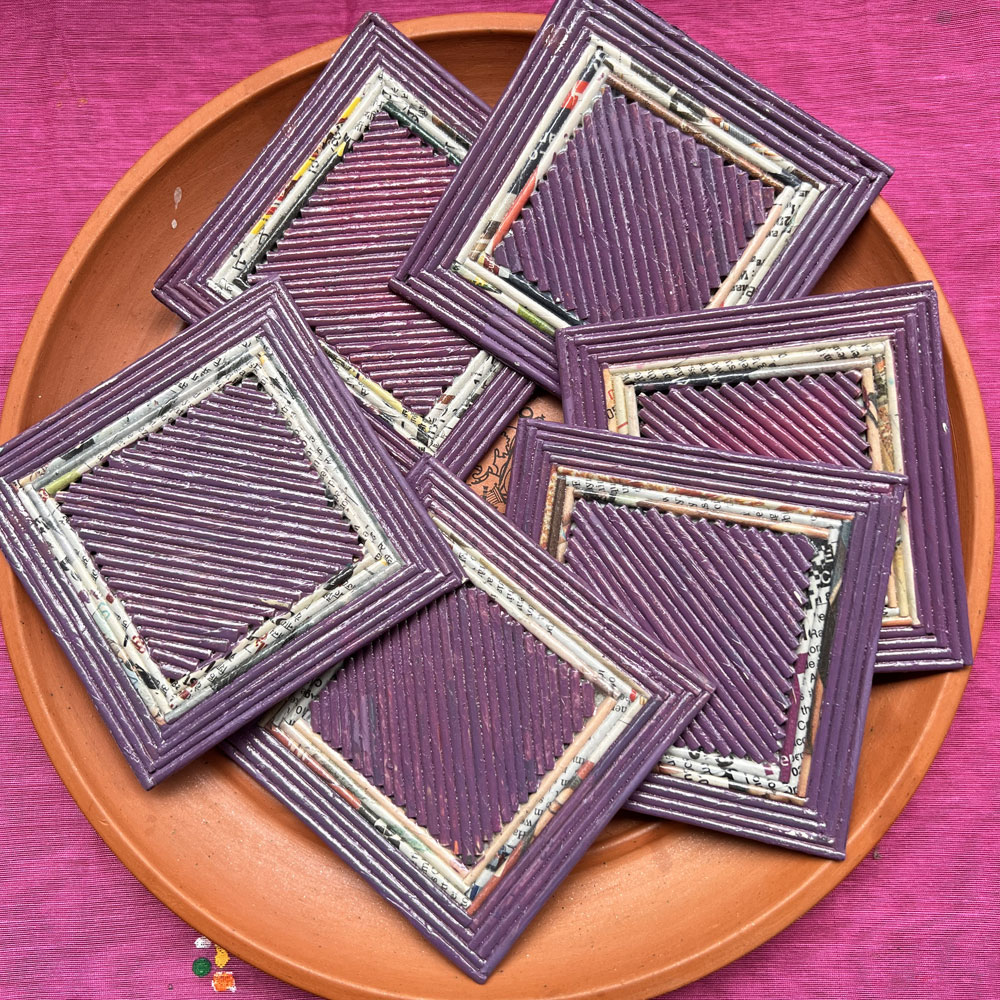
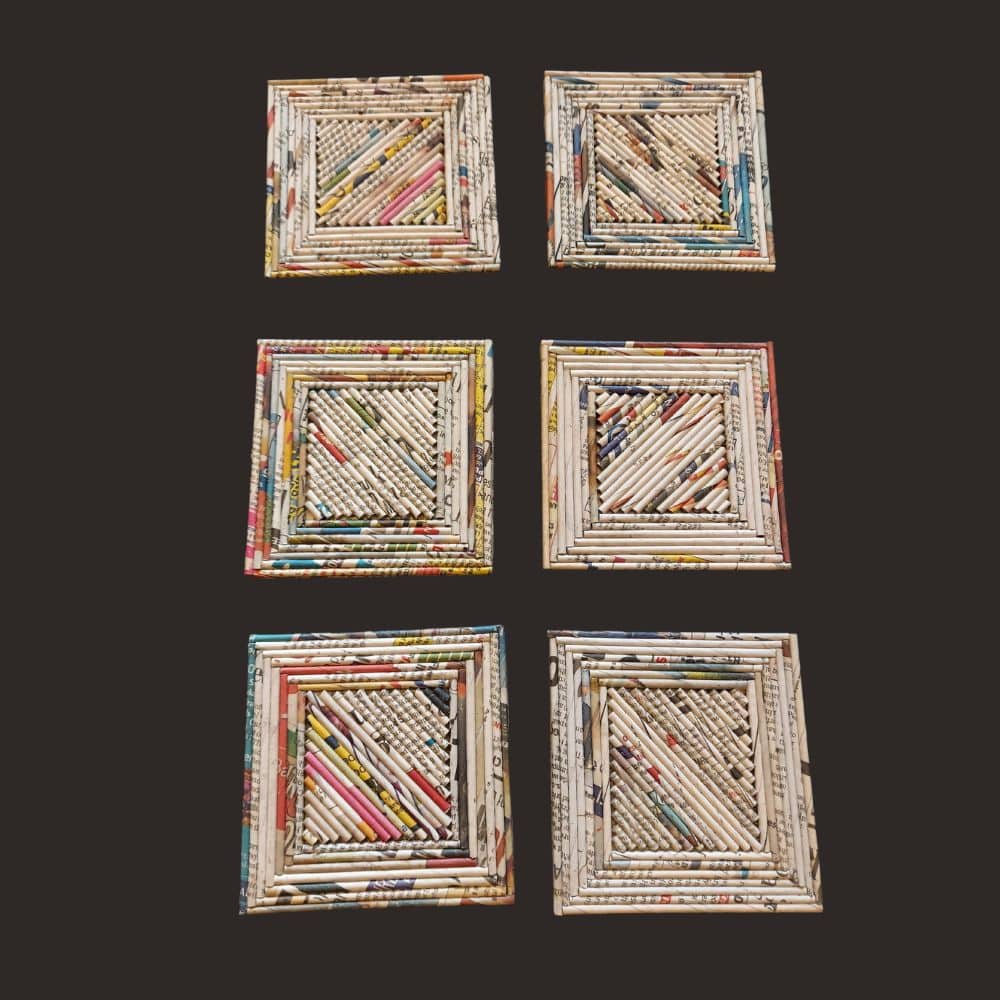
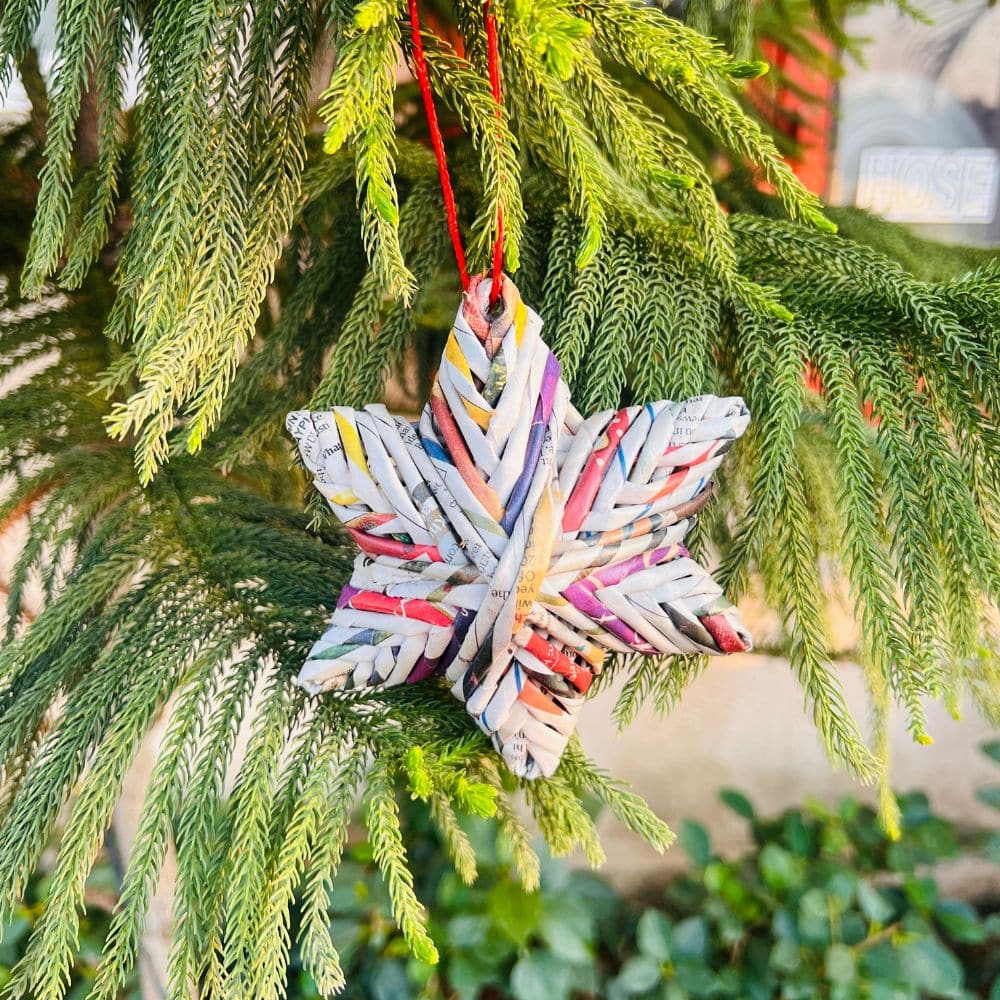
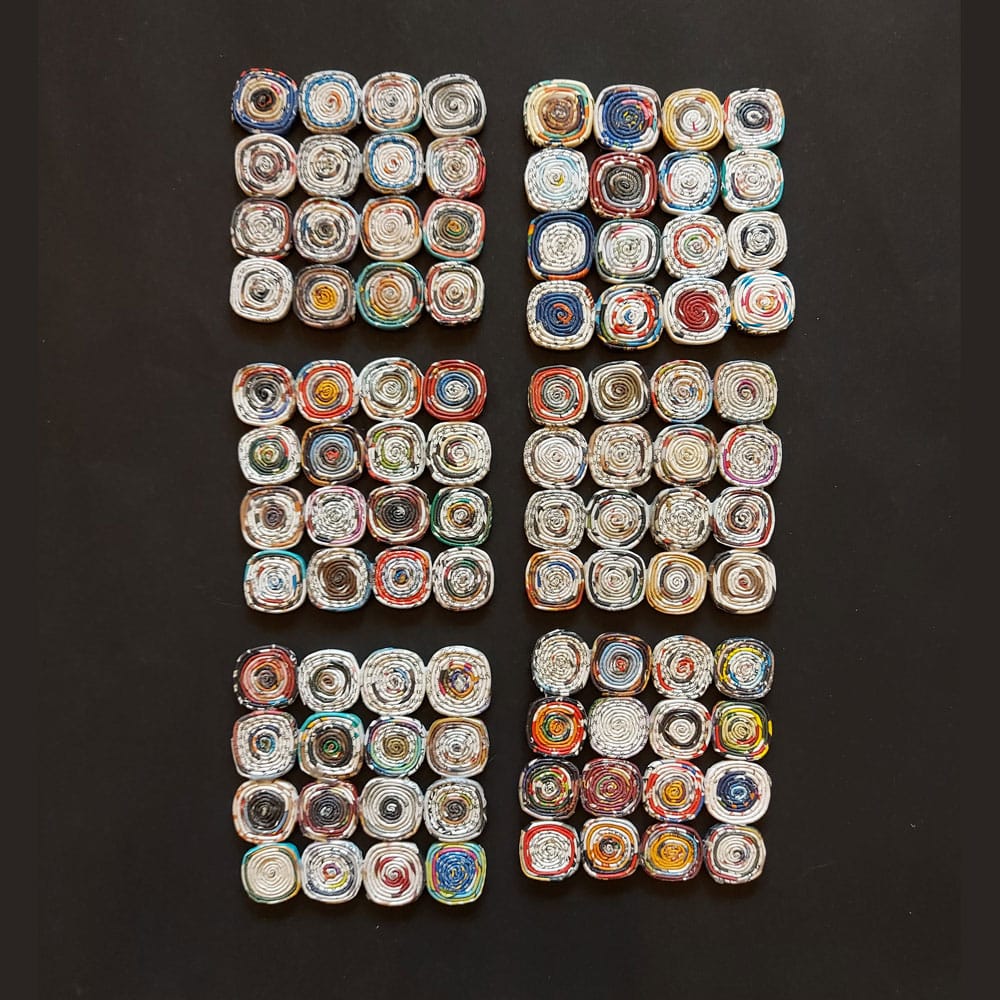
Explore Our Eco-friendly Paper Products


The Decoration Drama
We all love a good decoration battle, don’t we? Lights, flowers, glitter, thermocol cut-outs—our creativity knows no bounds. But here’s the twist: most of those shiny plastics end up in the garbage the next day. And thermocol? It’s practically immortal. You throw it once, and it stays till eternity.
Try this instead: Use banana leaves, cloth drapes, paper lanterns, or flowers that can later become compost. Your decoration still looks festive, but the earth doesn’t end up groaning under the weight of it. Plus, handmade decorations always have a charm that no store-bought glitter can match.
Visarjan: The Real Goodbye
This is the moment everyone waits for—the grand farewell, music, dhols, dancing. But the real problem begins here. When idols made of POP and toxic colors are immersed, rivers and ponds get poisoned. Fish die, water becomes unusable, and the cycle of pollution grows.
However, the clay idols dissolve in water, which you can then use for your plants. Imagine Ganesha blessing your garden every year. It’s as if he never really leaves.
Why It Matters
Sometimes we forget that festivals are about celebrating life, not destroying it. Lord Ganesha is called Vighnaharta, the remover of obstacles. But what if we are the ones putting obstacles in nature’s way? By choosing eco-friendly ways, we’re not only respecting him, but also respecting our rivers, lakes, and the future generation who will celebrate this festival after us.
Imagine Ganesha looking at us from above. Do you think he’s happy seeing himself floating around in broken pieces of plaster and glitter in a dirty lake? Probably not. If anything, he’s shaking his head and thinking, “Modaks I like, but this plastic nonsense? No thanks!”
The Real Devotion
True devotion is not about the size of the idol or the loudness of the speaker. It’s about how much love and care we put into our actions. When we celebrate in a way that doesn’t harm the world, we’re actually living the very lessons that festivals teach us— compassion, respect, and harmony.
So, this Ganesh Chaturthi, let’s welcome Bappa with open hearts, sweet modaks, and an even sweeter thought, celebrating without hurting the very earth he gifted us. Eco-friendly doesn’t mean less festive. It just means more mindful, more loving, and more real.
And who knows? Maybe Ganesha will send some extra blessings your way for being kind to his favorite creation—Mother Earth.